
2026-on Triumph Tiger Sport 660 review: A complete package
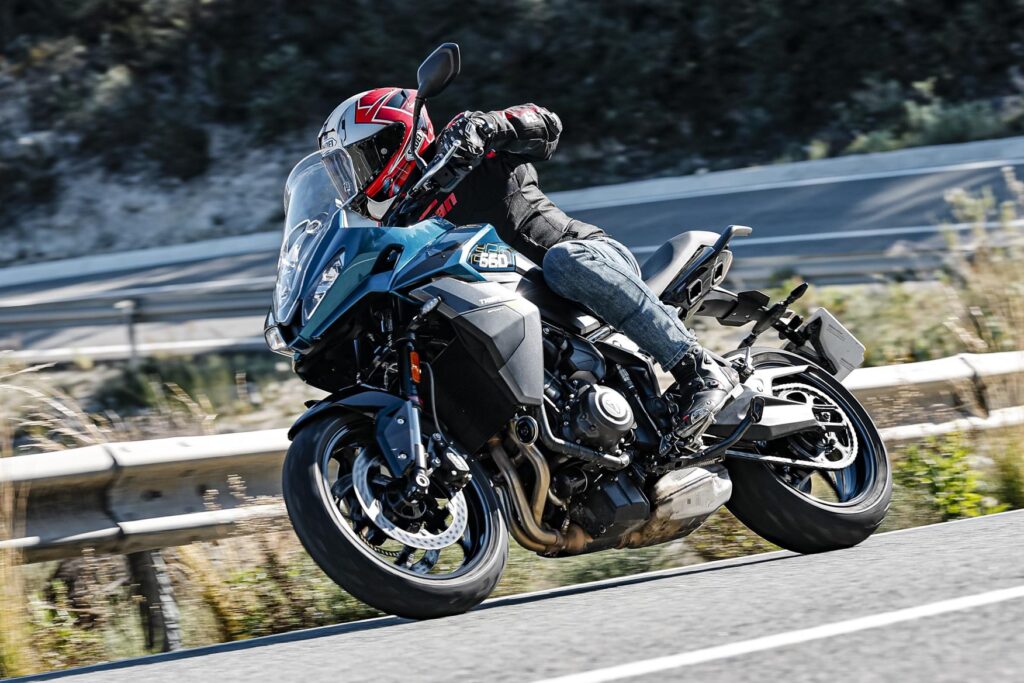
Triumph Tiger Sport 660 review summary
When it bounded onto the scene back in 2022, Triumph’s road-focused middleweight adventurer served up a suitably balanced mix of performance, manageability and fun.
You could call it a tall rounder, or a sports adventure, but in many ways it’s the half-faired Street Triple we always wished they’d made, but never did.
Like this story? You can get more MCN in your life by clicking here and asking Google to make us a preferred source.
It’s spacious, comfortable, agile and easy to manage, but can be genuinely sporty, too, with a front end that fills you with confidence, tyres that grip beautifully in all conditions and powerful brakes. That’s all on top of a tuneful engine that’s never short of grunt or excitement but still friendly when you need it to be.
Powered by the Hinckley firm’s effervescent 660cc rev-happy triple and wrapped in a lightweight, capable chassis, the original Tiger Sport was easy to live with and rewarding to ride, and became even more so in 2025 when a fancy suite of electronic upgrades blessed it with ride-by-wire throttle, cruise control and an IMU for lean-sensitive rider aids.
Now it’s back with more power, new bodywork and a bundle of additional tweaks, but does it still have that class-leading sparkle?
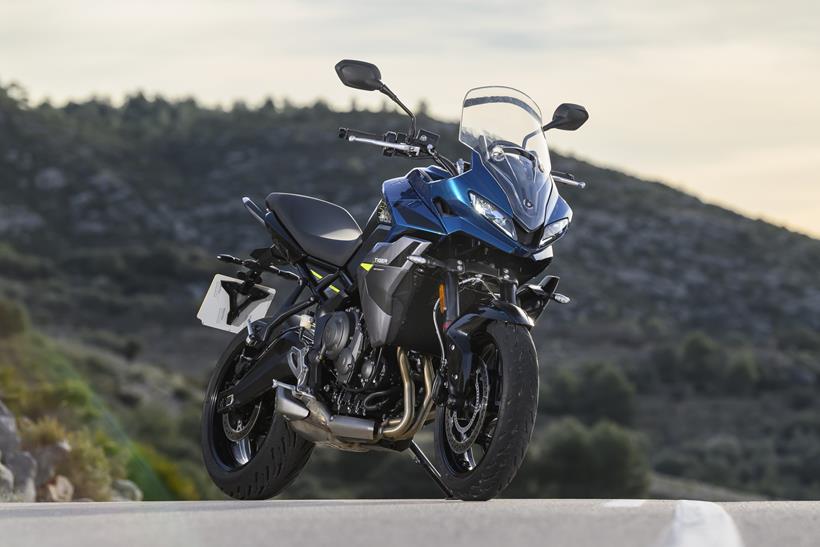
Is the Triumph Tiger Sport 660 right for you?
Reasons to buy:
+ Practical, approachable, and with a dash of excitement
+ Perfect for long days in the saddle
+ Refined, and great value for money
Reasons to avoid:
– Some screen tweaking needed to dial out any buffeting
– No centre stand as standard
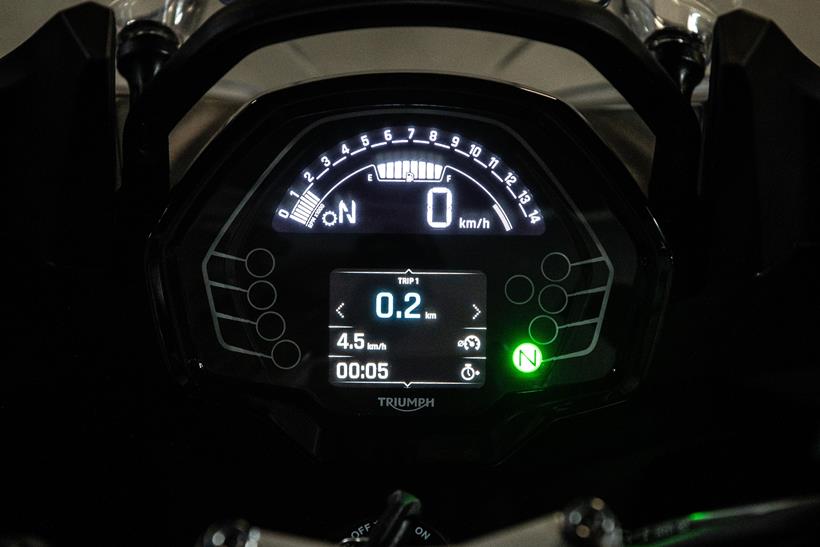
– Dated looking dash display compared to rivals
Interested? Have a look at a Triumph Tiger Sport 660 for sale right now
Jump to
Carve it up
In order to fit the new the new cylinder head and intake system, the frame has been widened beneath the fuel tank, but all key dimensions, such as rake, trail, and wheelbase etc remain the same.
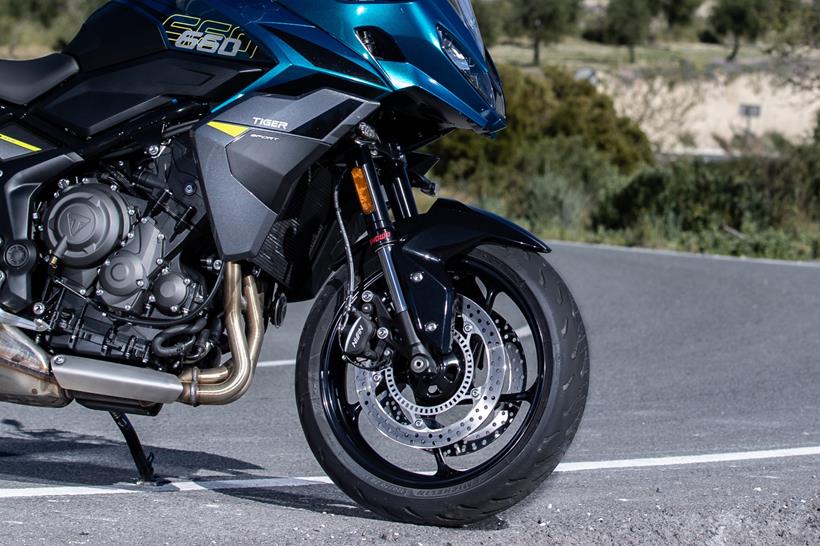
The 41mm Showa forks and rear shock are unchanged, although the latter does gain a remote preload adjuster within easy reach behind the rider’s left leg.
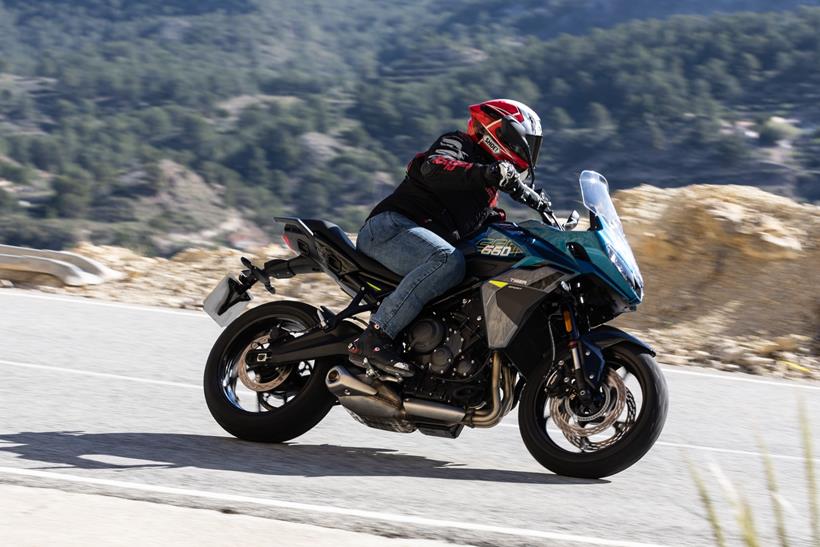
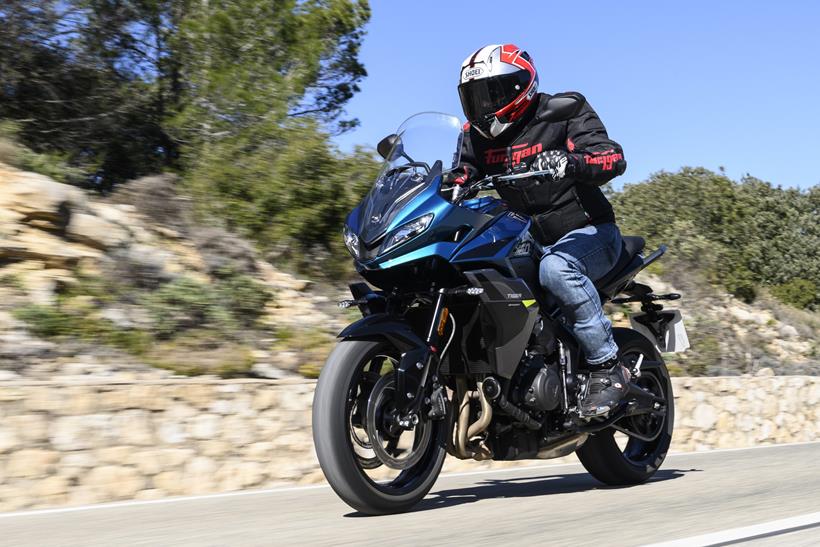
Handling was never in question before and nor is it now, the ride being sporty enough for spirited fun, yet suitably plush and composed where comfort and confidence are concerned.
The stable chassis does need distinct inputs and a modicum of effort to instigate changes of direction, but steers and tracks with reassuring accuracy once in the lean, well partnered by OE Michelin Road 5 tyres.
Brakes are still twin-piston sliding Nissins, rather than radials, but there’s ample bite and feedback.
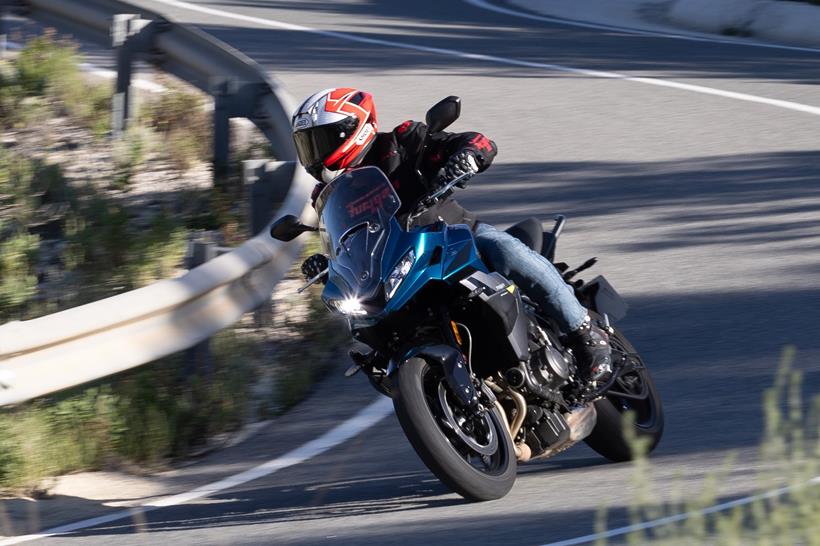
Compared to the Trident it’s based on, the bars are wider, higher and closer to the rider, and the pegs are lower. It’s a deliciously comfy and spacious riding position that works perfectly for big-mile riding, despite the Tiger’s mid-sized layout. It’s slim, well-balanced, easy to manage and taller riders will love the legroom.
Its seven way manually adjustable screen is easy to jiggle with one hand on the move and effective, but like all tall road bikes, windblast can be noisy at speed.
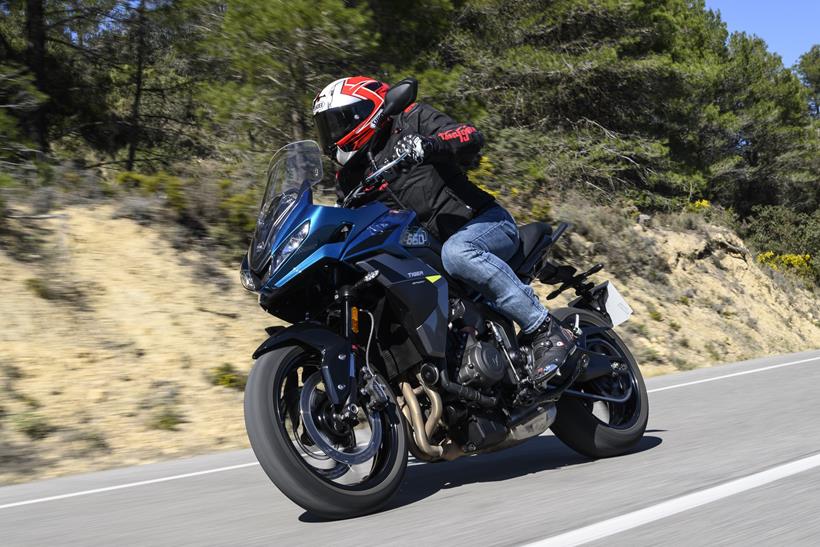
Steel rather than aluminium is used for the frame and swingarm to keep costs down, but no matter because the Tiger Sport 660 is still light and agile. Its longer-travel upside-down Showa forks (with a 1.5-degree steeper rake and 10mm less trail) and shock are basic, but they’re perfectly set to give the best mix of ride quality, cornering control and stability.
The Triumph doesn’t just handle well for an affordable all-rounder, it flows through corners with the poise of some of the best out there, with a similar feel to one of the most unlikely of great handling road bikes: Honda’s CB500X.
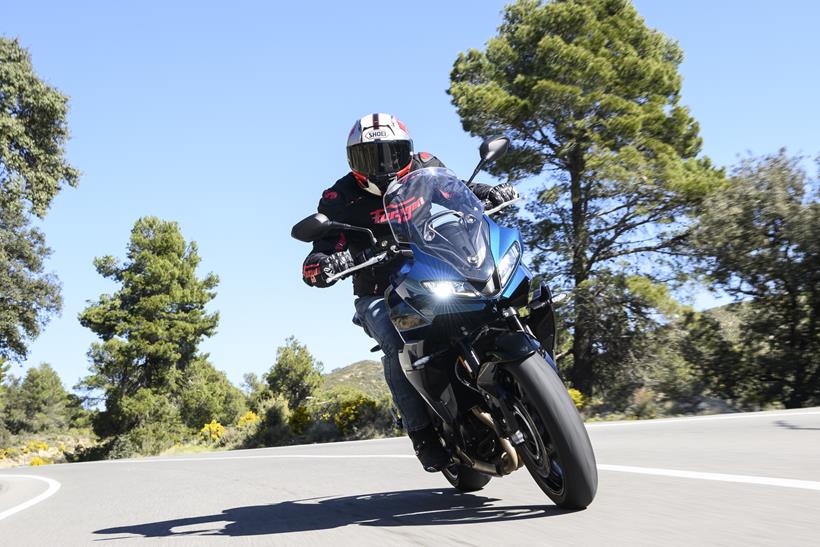
It has huge grip, a tactile front end and despite having low, knee-friendly pegs, we never get them scraping.
Triple power boost
If there’s anything that the Tiger 660 was lacking, it was enough grunt lower in the rev range for hauling passengers, panniers or making relatively relaxed progress.
Despite being eager to spin up and please at higher engine speeds, it could feel a tad frantic at times, but Triumph know a thing or two about triples and have given it a bigger bite and throatier roar by shoehorning in a re-tuned version of the Daytona 660’s engine.
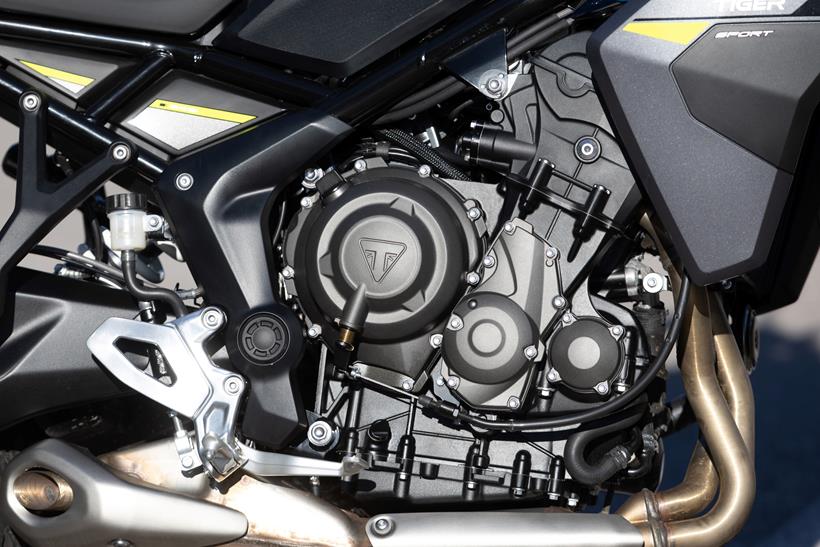
This comes with a revised cylinder head, fitted with higher lift cams and larger exhaust valves, plus triple electronically governed 44mm throttle bodies, in place of a single unit.
The result is a 14bhp increase in power and extra 1000rpm to play with, as well as 2.8lb.ft more torque. Gear ratios are closer from 1st to 5th, with 6th as more of an overdrive.
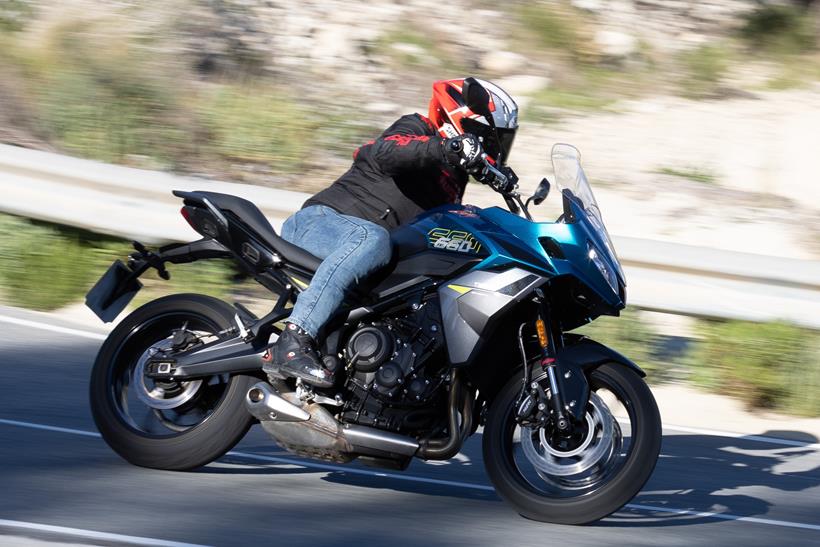
With more grunt on tap, the Tiger feels hungrier as soon as you wind on the throttle, but fuelling is on point, so inputs remain measured and predictable right from the off.
Clutch action is light, making power modulation at the lever easy, although once you’re rolling, it becomes almost redundant thanks to a recalibrated super-slick quickshifter, which snicks cleanly between ratios, even at low revs.
Triumph claim 80% of its torque is available from 3000 right through to 12,000rpm, and on-road performance certainly seems to back this up, allowing you to short shift or hang each gear out depending on mood.
There’s a step up in oomph above 6000rpm when the high-lift cams come on song, and that’s accompanied by a joyful rising scream from the new airbox as it gulps down juice.
With its beating supersport heart, the raspy soundtrack remains intact, so the Tiger is revvy, exciting and never short of grunt when you need it, almost regardless of the gear. It’s a sporty engine that’s livelier than its rivals, but crucially, it’s also a friendly one, which has been the key to the Trident 660’s success.
Triumph Tiger Sport 660 reliability and build quality
MCN’s online owners’ reviews of the 2022-on Triumph Tiger Sport 660 are very positive. For this latest 2026 model that shares its engine with the Daytona 660, we expect the same level of dependability.
MCN owners’ reviews for the Daytona show no cause for concern, although it’s still relatively new without the a huge amount of feedback over time.
Triumph Tiger Sport 660 value vs rivals
The Tiger Sport 660 has the Kawasaki Versys 650 and Yamaha Tracer 700 firmly in its sights, but not only is the Triumph more powerful, it’s the most complete all-rounder with zero chinks in its impressive new armour.
Granted, it’s slightly dearer (although on PCP it’s negligible), but it’s beautifully finished and well equipped.
Finance example (March 2026)
What it costs: £9295
PCP per month: 36 x £99
Total deposit payable: £2363.50
APR: 8.9%
Annual mileage: Up to 4000
Optional Final Payment: £4940
Quick rival comparison:
- Triumph Tiger Sport 660 (this bike)
New price: £9295
Specs: Engine size 660cc / Power 93.9bhp / Weight 211kg / Seat height 835mm
Review headline: “A complete, well-built, affordable all-rounder”
Interested in this bike? Find a used Triumph Tiger Sport 660 for sale.
New price: £8349
Specs: Engine size 649cc / Power 66bhp / Weight 219kg / Seat height 845mm
Review headline: “Kawasaki’s mid-sized tall roader gets fresh looks and new tech but lacks grunt for two-up touring”
Interested in this bike? Find a used Kawasaki Versys 650 for sale.
New price: £8804
Specs: Engine size 689cc / Power 72bhp / Weight 203kg / Seat height 830mm
Review headline: “Numerous subtle updates gives the Tracer its very best performance fun factor yet”
Interested in this bike? Find a used Yamaha Tracer 7 for sale.
Cool looks and comfort
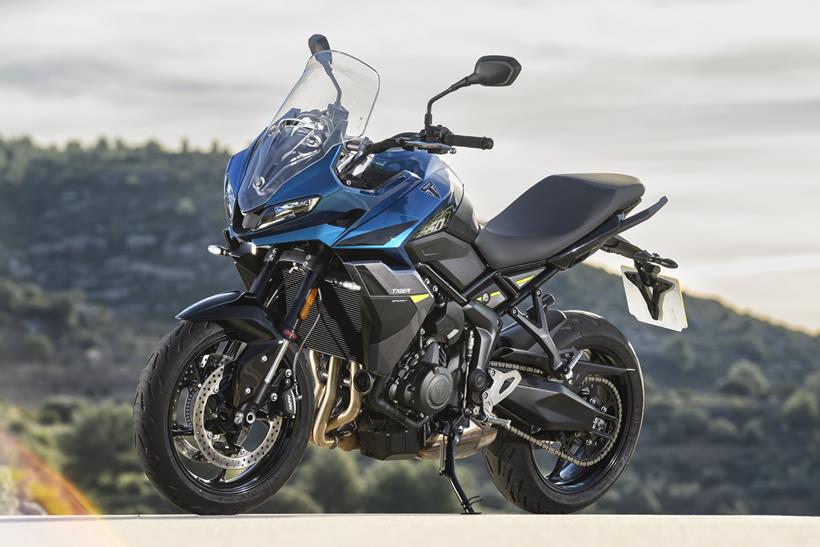
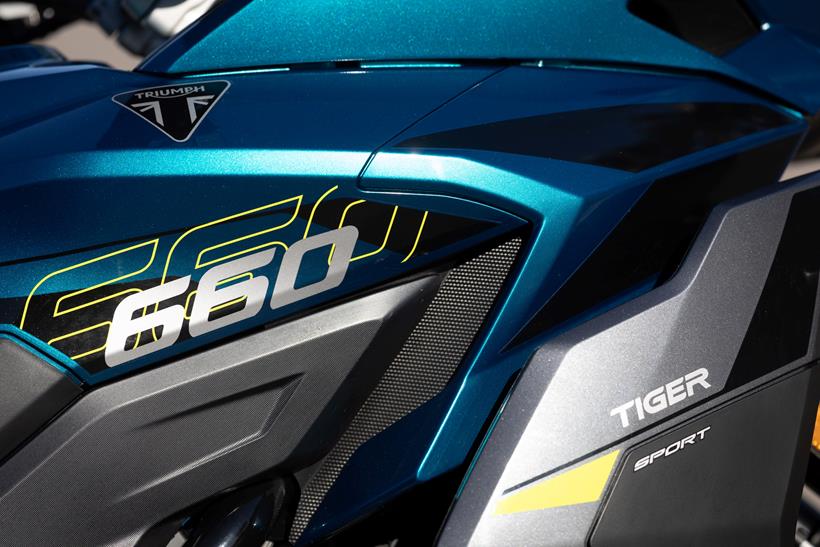
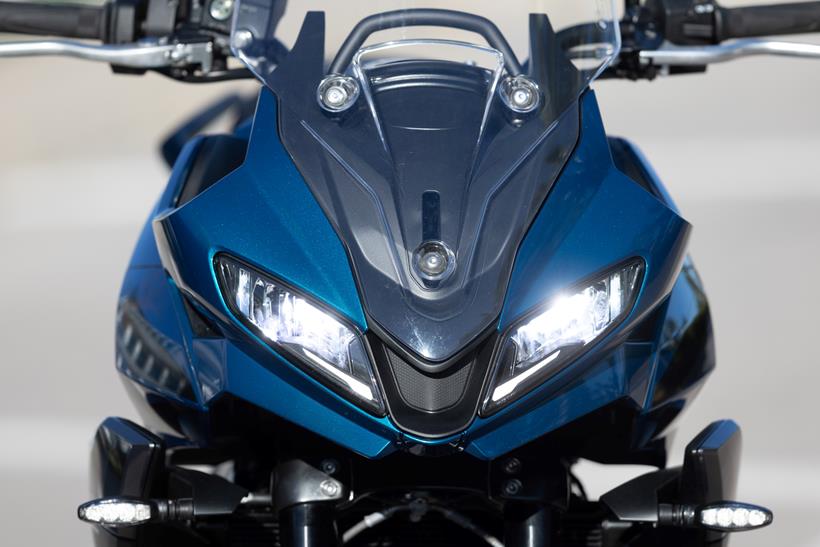
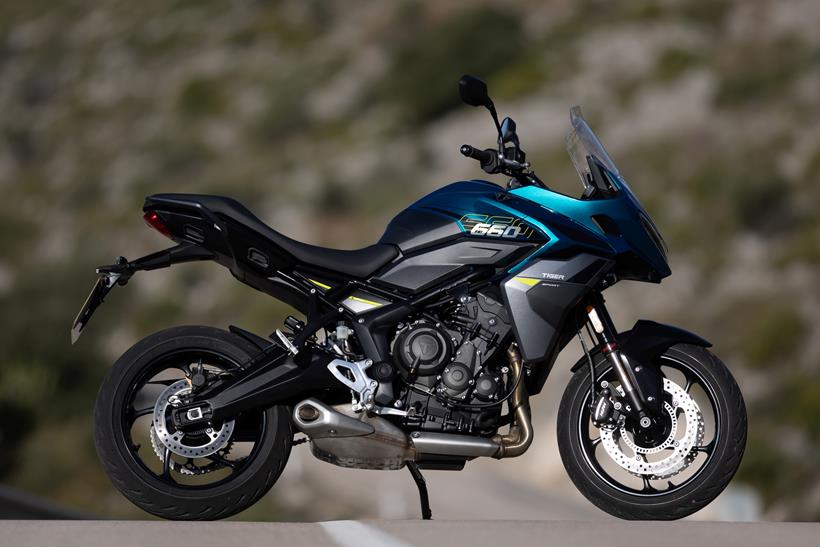
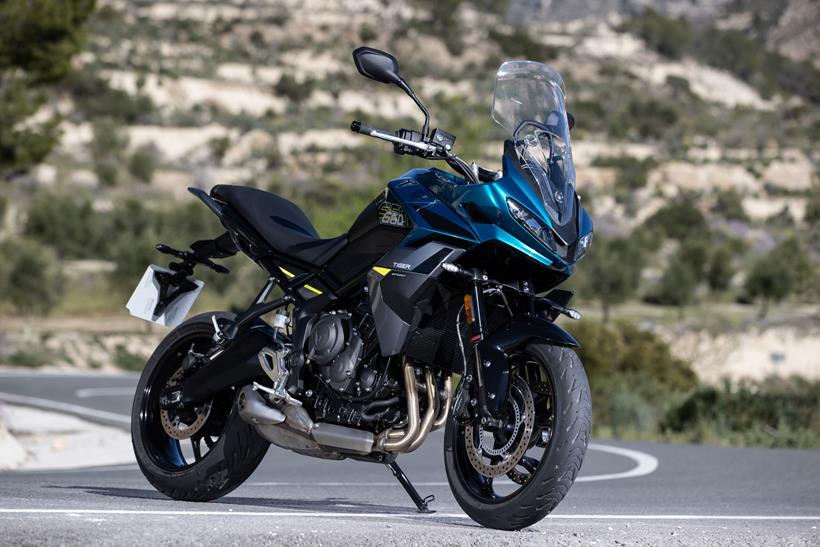
New angular bodywork gives the Tiger Sport a more purposeful appearance, especially in the Interstellar blue / Mineral grey livery of the bike we’re riding on the launch.
The side panels sit wider to accommodate a larger radiator, making it look slightly stockier, but the overall package remains pleasingly compact. Seat height is 835mm (a lower option is available) and narrow enough at the top for both legs to drop almost vertically.
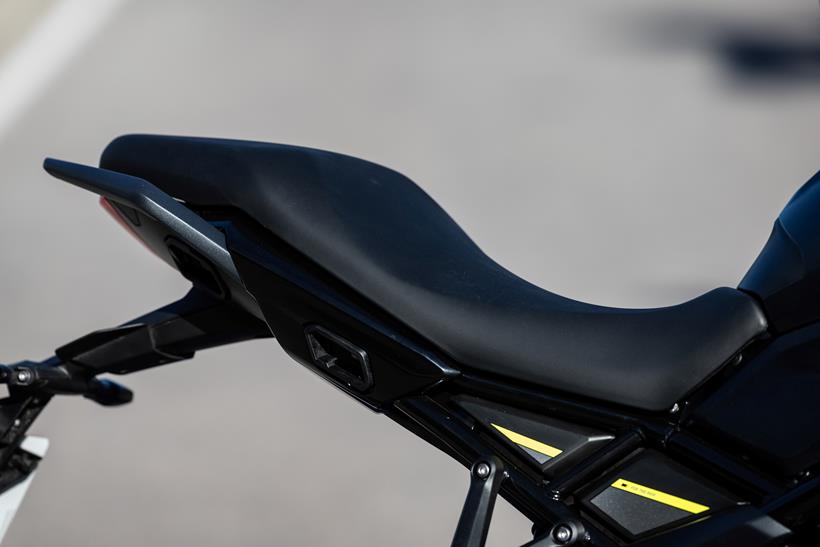
An extra 10mm bar width has added some roominess that taller riders will notice, and the neutral riding position is well suited to longer days in the saddle – the new tank also holds 1.4 litres more fuel for putting that to the test.
We found the screen was more effective at keeping buffeting at bay on the lower setting.
Moto 2 Tech
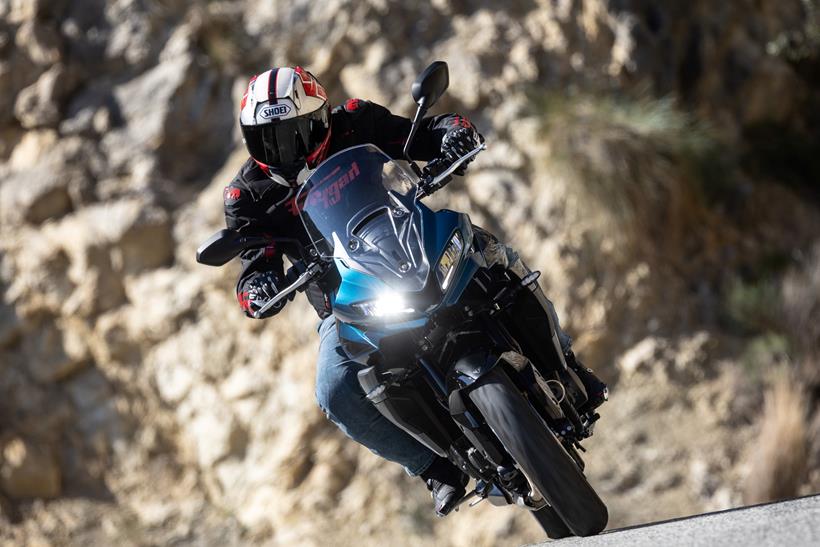
Cornering ABS and Traction Control is naturally carried over, and along with the three rider modes (Road, Sport and Rain) and quickshifter has been optimised to suit the new power plant using technology fed down from Triumph’s Moto2 programme.
ABS/TC intervention proved to be unobtrusive, where we could provoke it into action on dry Spanish roads, with the latter having the option to be disabled entirely, if so desired.
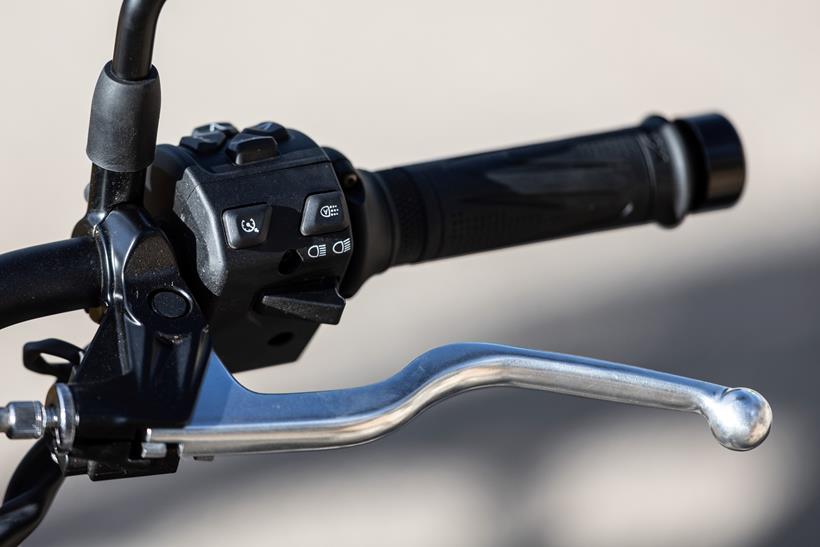
Cruise control is standard, as a simple on/off button, but heated grips are an extra. Triumph’s tiny TFT section of the dash is a rather meagre affair, but combined with the LCD tacho, trip and speedo provides easy to read info at a glance. And it’s got smartphone connectivity via a dedicated app too.
Some would prefer a centre stand, too. There are 30-plus accessories that can be fitted to make the Tiger Sport your own, including an alarm and tracker, heated grips, comfort and low seat options, panniers, top box.
There’s also three colours available: Pure White as standard, and for an additional £150 you can spec Interstellar Blue/Mineral Grey, or Silver Ice/Intense Orange.
MCN Verdict
With this latest raft of updates, the Tiger Sport 660 has really come of age. The extra power, smoother throttle and revised gear ratios make it feel more rounded, more accomplished, giving it greater versatility without losing any of the manageability or playfulness which has made it so popular.
While it’s still fun to send it screaming to the upper echelons of the rev range, the boost at the bottom end and subsequent flatter torque curve give it the propensity for more sedate progress when required.
Short-shifting through the closer set gears helps iron out the ride for when you’ve got fully loaded luggage or a pillion aboard, and the long top ratio lets you waft along without having to dance about on the shift lever too much.
Triumph have retained more than enough sparkle to justify its Sport moniker, and while it’ll always appeal as a stepping stone to bigger bikes, the character and ability should make it a keeper.
Deja una respuesta