
2026-on Yamaha R7 review | Tweaked, refined and upgraded
Yamaha R7 expert review
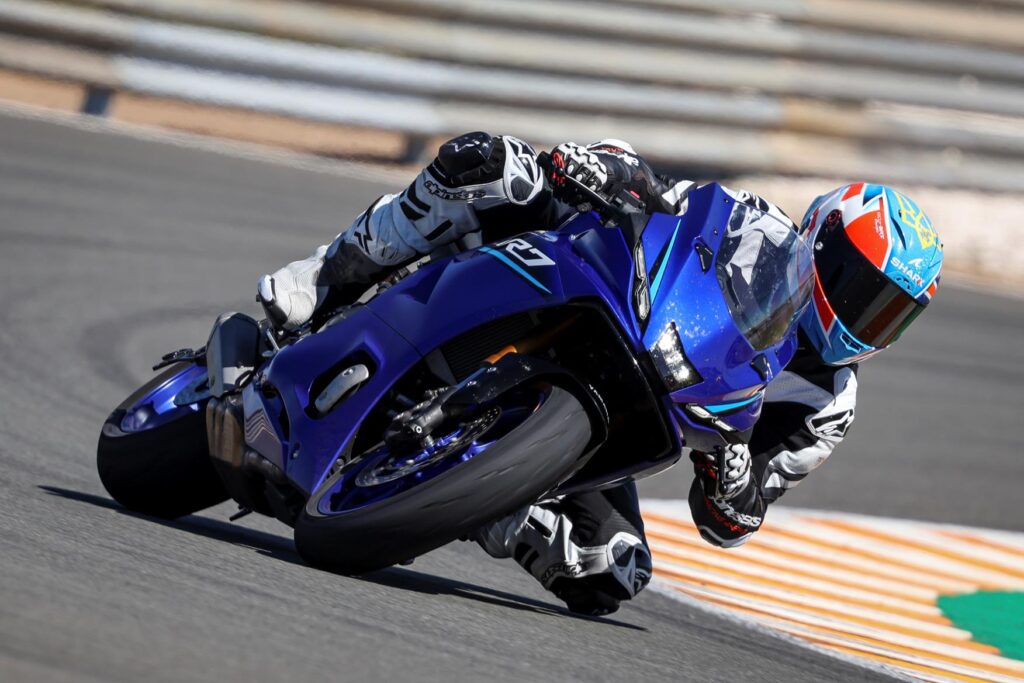
The junior supersport (or sportbike) category has evolved incredibly over recent times. There’s now a variety of machinery on offer to the tune of twins, triples and inline fours that cover a spectrum from laid-back sports-touring-like riding experiences to full-on supersport-style machines, which is where the R7 has perched since 2022, thanks to its sharp chassis and aggressive riding position.
So, with some tweaks to make the chassis even sharper but the riding position more relaxed, alongside some electronic goodies, have Yamaha done enough to take the R7 up a notch?
Like this story? You can get more MCN in your life by clicking here and asking Google to make us a preferred source.
Is the Yamaha R7 right for you?
Reasons to buy:
+ Advanced electronics package
+ Sharper handling and a stronger chassis performance
+ Improved comfort and rider-friendly ergonomics
Reasons to avoid:
– Limited engine updates resulting in less top-end punch
– Sits in the higher price bracket for the segment
– An aggressive stance and ride for some
Where the R7 was previously a technophobe with very basic rider aids (just rudimentary ABS), the new model has been given a six-axis IMU that powers a raft of impressively set up functions, including Traction control, slide control, wheelie control, a back-slip regulator and cornering ABS.
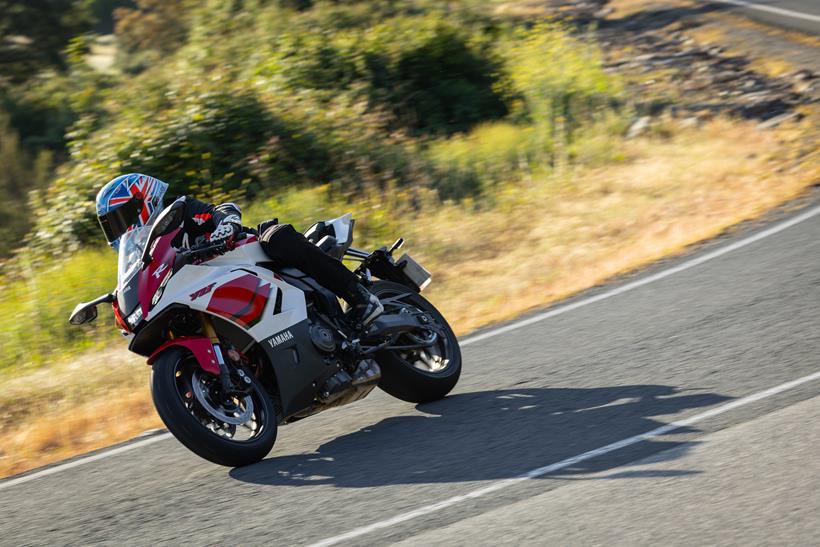
On the subject of which, the cornering ABS (of which the rear can be deactivated) is a big step up from previous Yamaha systems too and can be used on track without being too restrictive. Cruise control is standard, which is a godsend for motorway riding on a sportsbike.
‘Same beating heart’
Yamaha’s 689cc CP2 motor remains largely unchanged for 2026, besides a new airbox, air duct and mapping settings, which sit alongside the new ride-by-wire throttle, which is very smooth, even in the most aggressive power mode ‘1’.
It’s still a cracking motor, for it is fun and feisty with a shed-load of torque on offer through the gears, although a little more punch at the top end would be nice for most of the UK tracks.
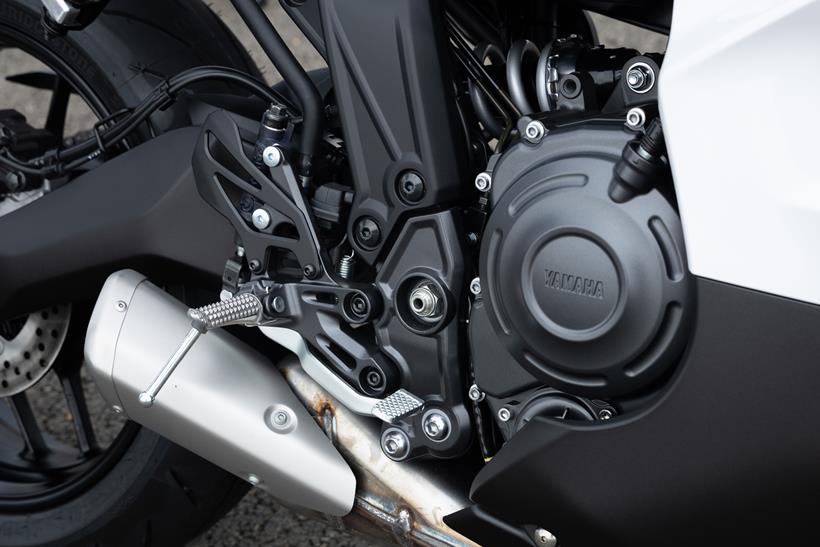
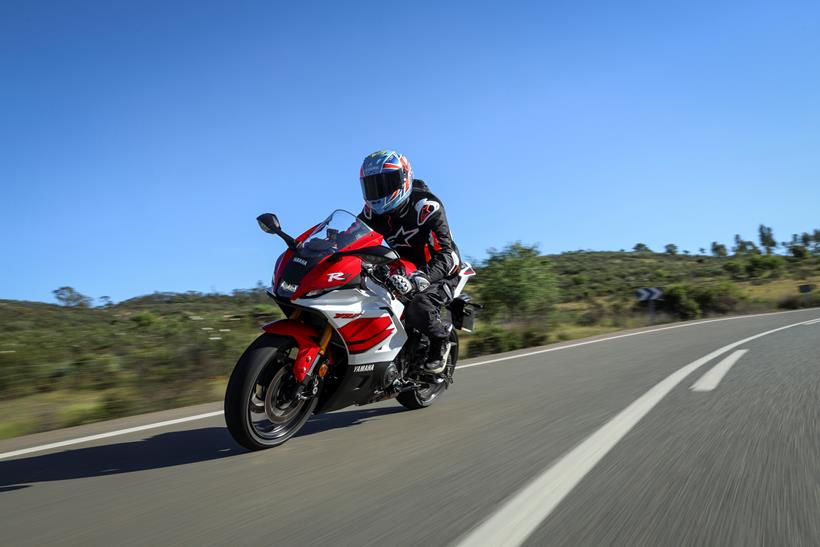
The R7 has always sat on the more aggressive side of the sportsbike sector, but Yamaha have softened the riding position ever so slightly. The handlebars have been moved up and out slightly, and the tank has been redesigned for more space (and upped to 14 litres), while the footpeg assembly has been lifted from the R1.
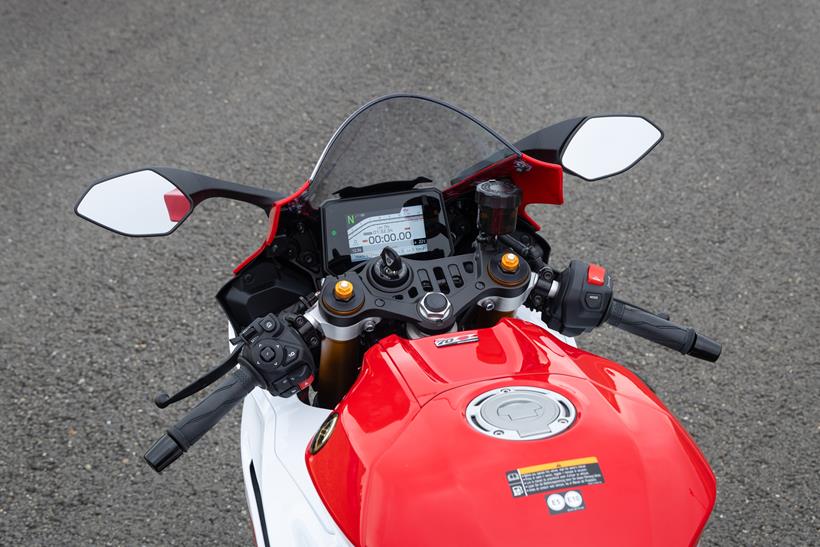
Although it’s still an aggressive riding position, there’s a touch less weight on the wrists, which goes a long way for comfort on longer journeys. The seat height has also been lowered by 5mm, which makes the R7 incredibly easy and confidence-inspiring if you’re a shorter rider.
Although the chassis remains largely unchanged, Yamaha have redesigned the pipe layout diameter and thickness, bracing and the caster angle for increased rigidity. Coupled with a new specification of the fully adjustable KYB front forks, the R7 is even sharper in the corners, offering plenty of feel and feedback both on the road and, albeit still on the stiffer side of the sportsbike sector.
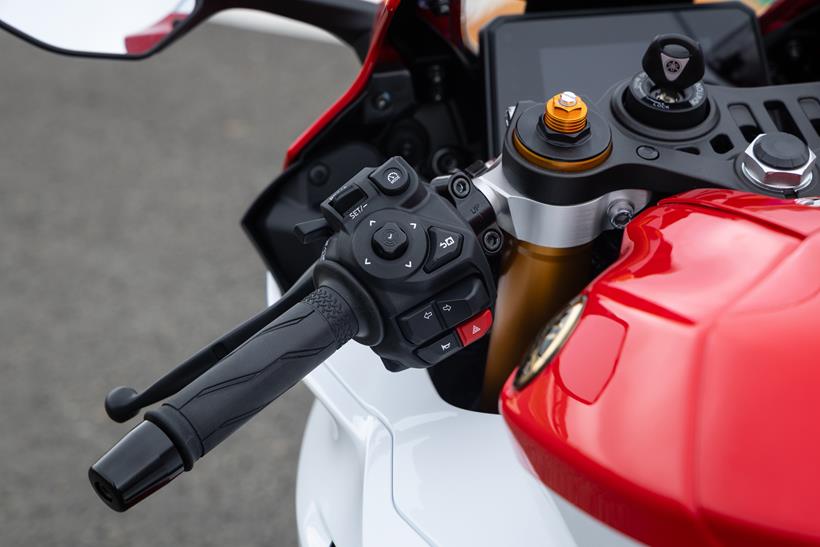
It’s a true supersport-style machine in its DNA, and equipped with some stickier RS12 tyres on track, its agility and flickability are incredible.
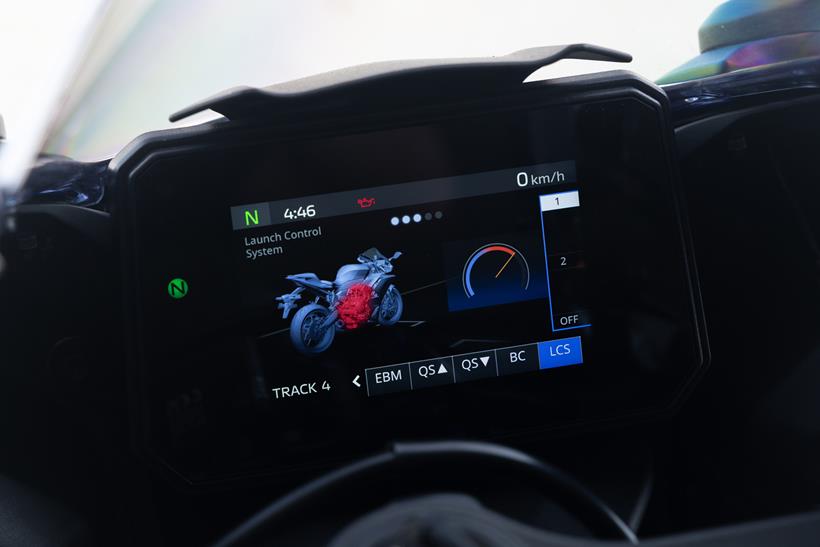
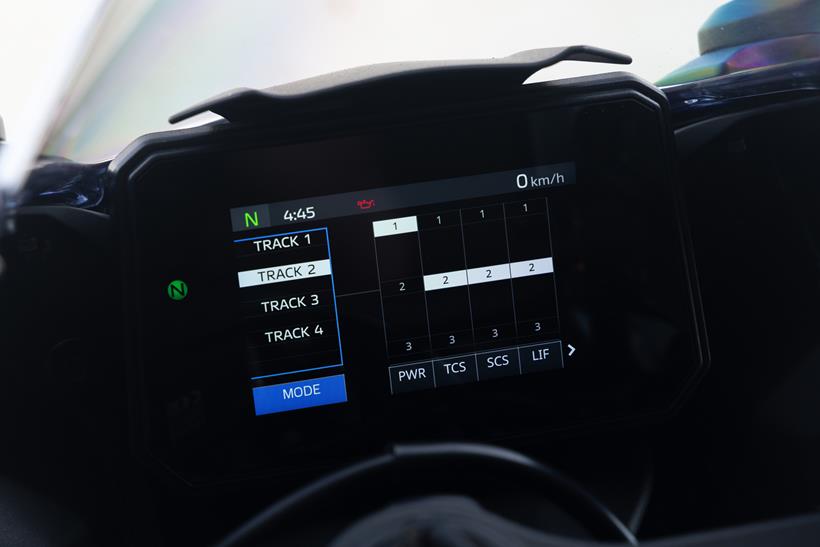
The 5” TFT dash is absolutely stacked with features, including Bluetooth connectivity that powers a raft of features, including navigation with the Garmin StreetCross app. But one of the swankiest new features is the Y-TRAC Rev system, which offers data-logging, along with a virtual pitboard and more.
This measures lap and sector times on track, along with taking data from the IMU to show gear, RPM, throttle trace, wheel speeds and the activation of the electronic riding aids, all through an app.
‘Peace of mind’
Even though owners’ reviews are glowing for the 2022 Yamaha R7 where reliability is concerned, as standard the Yamaha R7 comes with a free 24-month Roadside Assistance Package which is provided by RAC, along with a 3-year factory warranty.
MCN Verdict
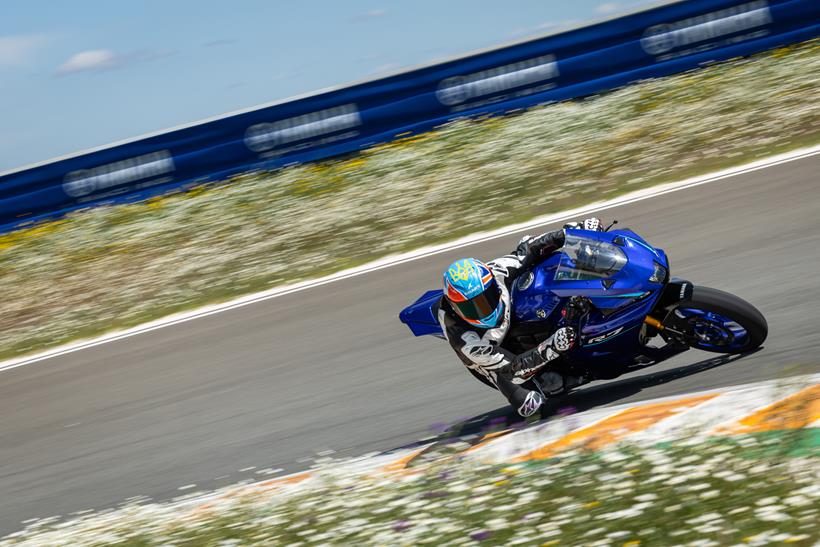
It may only be subtle tweaks across the board for the 2026 R7, but those changes add up to make a far better package across both road and track. It’s still aggressive in its set-up and its core DNA, but with a little bit more comfort from the altered riding position. Including the electronic goodies such as cruise control, the R7 is an even better bike for the road.
While the chassis changes have made the handling prowess even sharper, especially on track with a set of sticky tyres. The big negatives of the new model lie mainly in the lack of changes to that CP2 parallel twin motor, which could do with a little more punch at the top end, along with the price tag, which puts the R7 at the costly end of the sportsbike spectrum and almost in Aprilia RS 660 territory.
Deja una respuesta